6 min
Development
Report on Participation in HITRIplus Clinical TNA
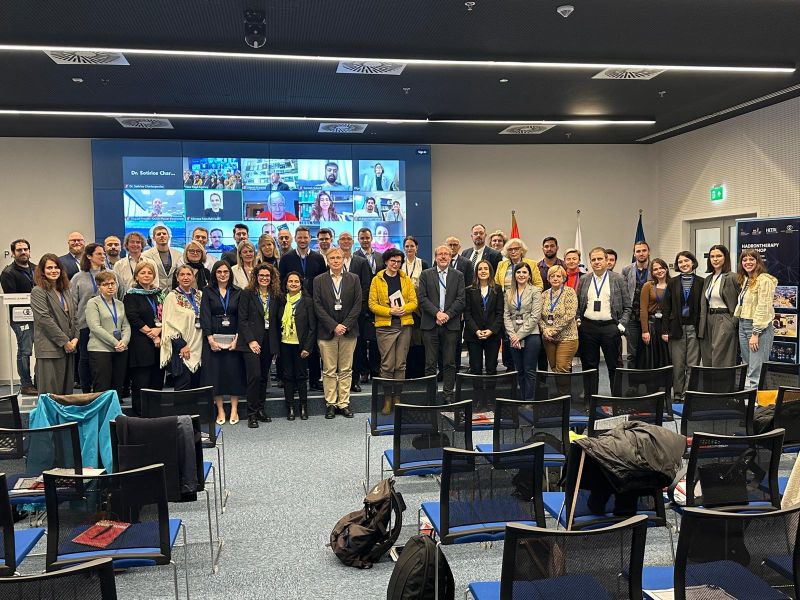
As part of the HITRIplus Clinical Transnational Access, our startup participated in a three-day program hosted by CNAO (Centro Nazionale di Adroterapia Oncologica) in Pavia, Italy.
As part of the HITRIplus Clinical Transnational Access, our startup participated in a three-day program hosted by CNAO (Centro Nazionale di Adroterapia Oncologica) in Pavia, Italy. This visit provided an exceptional opportunity for us to engage with leading experts in hadron therapy, observe clinical workflows in a world-class particle therapy center, and directly test our software within a real treatment planning environment.
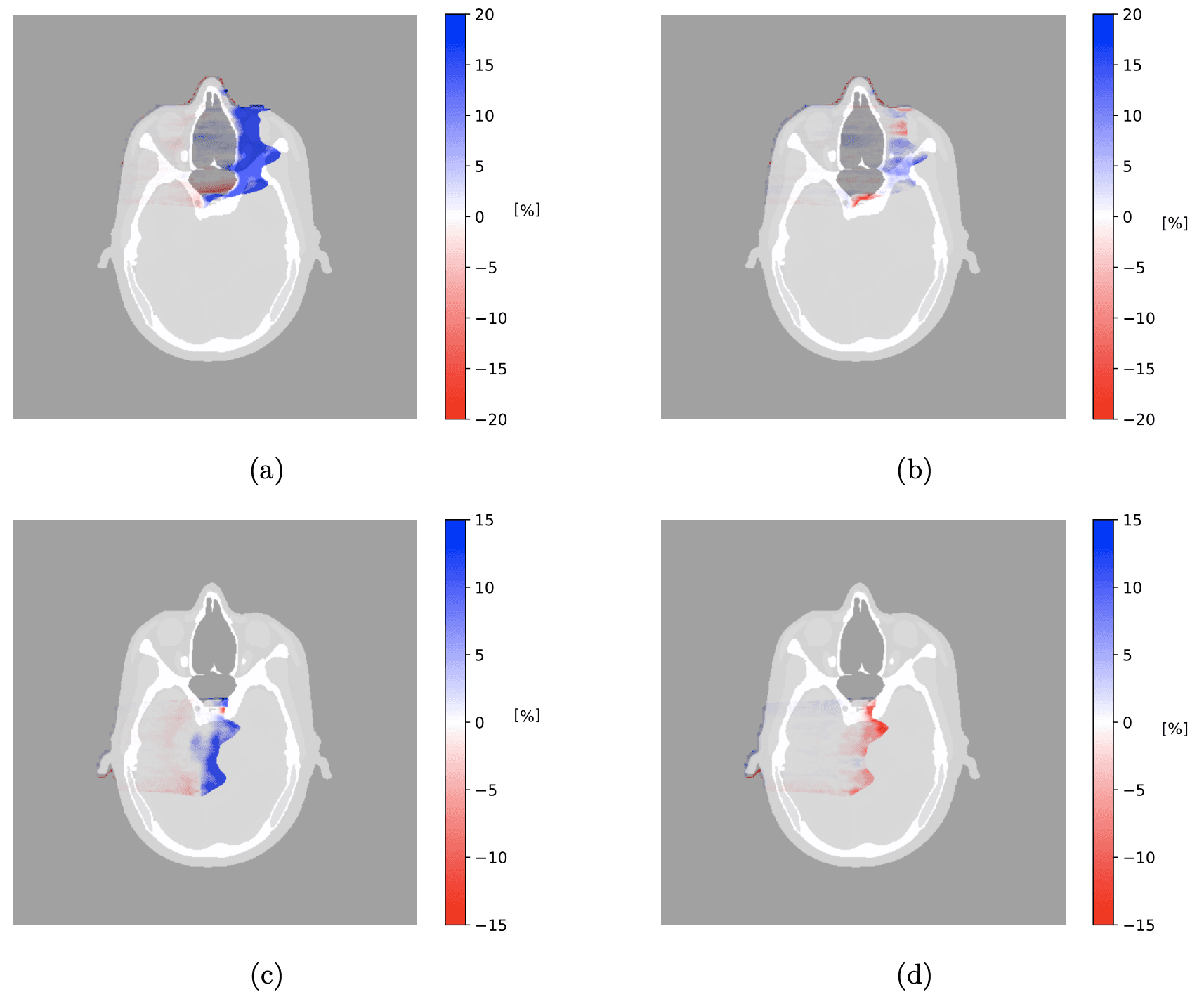
VINAVER Medical has successfully developed an innovative software framework which enables a more accurate estimation of the stopping power ratio (SPR), a critical parameter for particle therapy dose calculations. By improving SPR accuracy, our solution contributes to reducing treatment margins, thereby increasing the number of patients eligible for particle therapy and enhancing therapeutic effectiveness. The sessions organized during this program were particularly relevant to our work, as they offered deep insights into the challenges and priorities of clinical staff in their daily work with particle therapy.
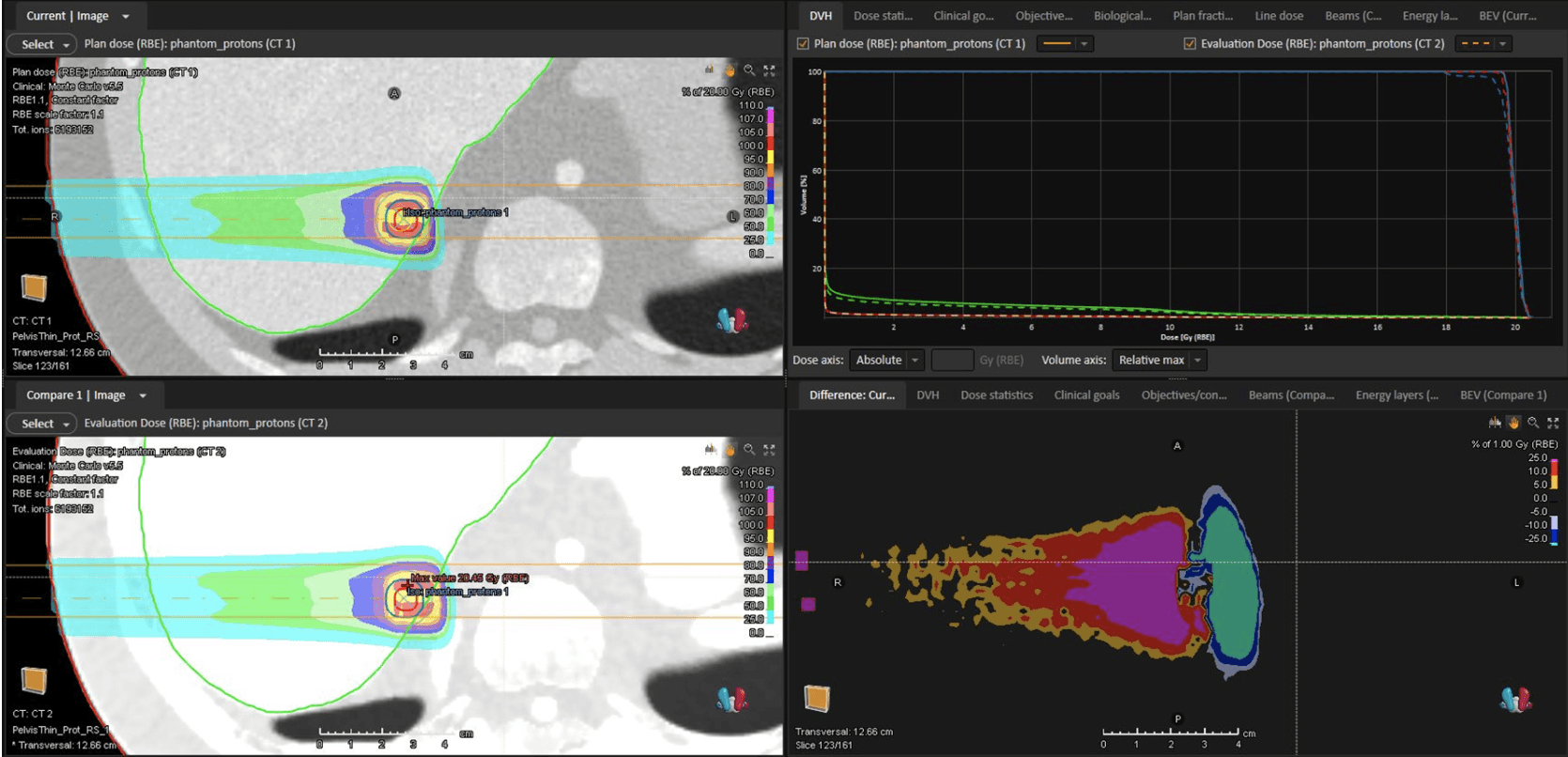
Our team was welcomed by Ms. Chiara Marazzi and Ms. Valentina Gasperi, who introduced us to the research staff, and guided us through the complete program. The program at CNAO began with an introduction to the center’s clinical and technical infrastructure, followed by presentations on medical physics activities, treatment planning, radioprotection, and radiobiology. Of special value to us were the practical medical physics sessions, where we had the opportunity to work alongside clinical physicists using the RayStation treatment planning software in a clinical environment. During these sessions, we integrated our software pipeline into CNAO’s workflow and successfully validated our SPR output against clinical scenarios. This hands-on collaboration helped us confirm the compatibility of our tool with existing planning systems and lay the foundation to further develop our partnership. We worked closely with two medical physicists - Silvia Molinelli and Alfredo Mirandola, whose guidance and dedication helped us understand the clinical workflow on a deep technical level. As a result, we initiated a joint research effort with CNAO’s team, with the goal of publishing a scientific paper presenting our method and its clinical validation - the first time our patented approach will be formally introduced to the academic and medical community.
We would also like to express our gratitude to Dr. Mario Ciocca, Head of the Medical Physics Unit, for taking the time to personally guide us through the clinical facilities. His tour of the treatment rooms and gantries, as well as the hardware involved in particle beam delivery, allowed us to gain a much better sense of the scale, complexity, and precision required in particle therapy. Additionally, his insights during our technical discussions, especially in reviewing our results and exploring directions for future collaboration, were particularly valuable for planning our next steps in the joint collaboration.
Throughout the visit, we also benefited from discussions with CNAO’s engineering and research teams, where we explored integration logistics, and opened a door for further exchange on the application of AI in optimizing radiotherapy treatment planning. The presentations on technician workflows and eye treatment protocols offered a pragmatic view of how technology must adapt to real-world clinical needs - reinforcing our commitment to developing a solution that is not only technically advanced but also practical and non-disruptive to existing routines.
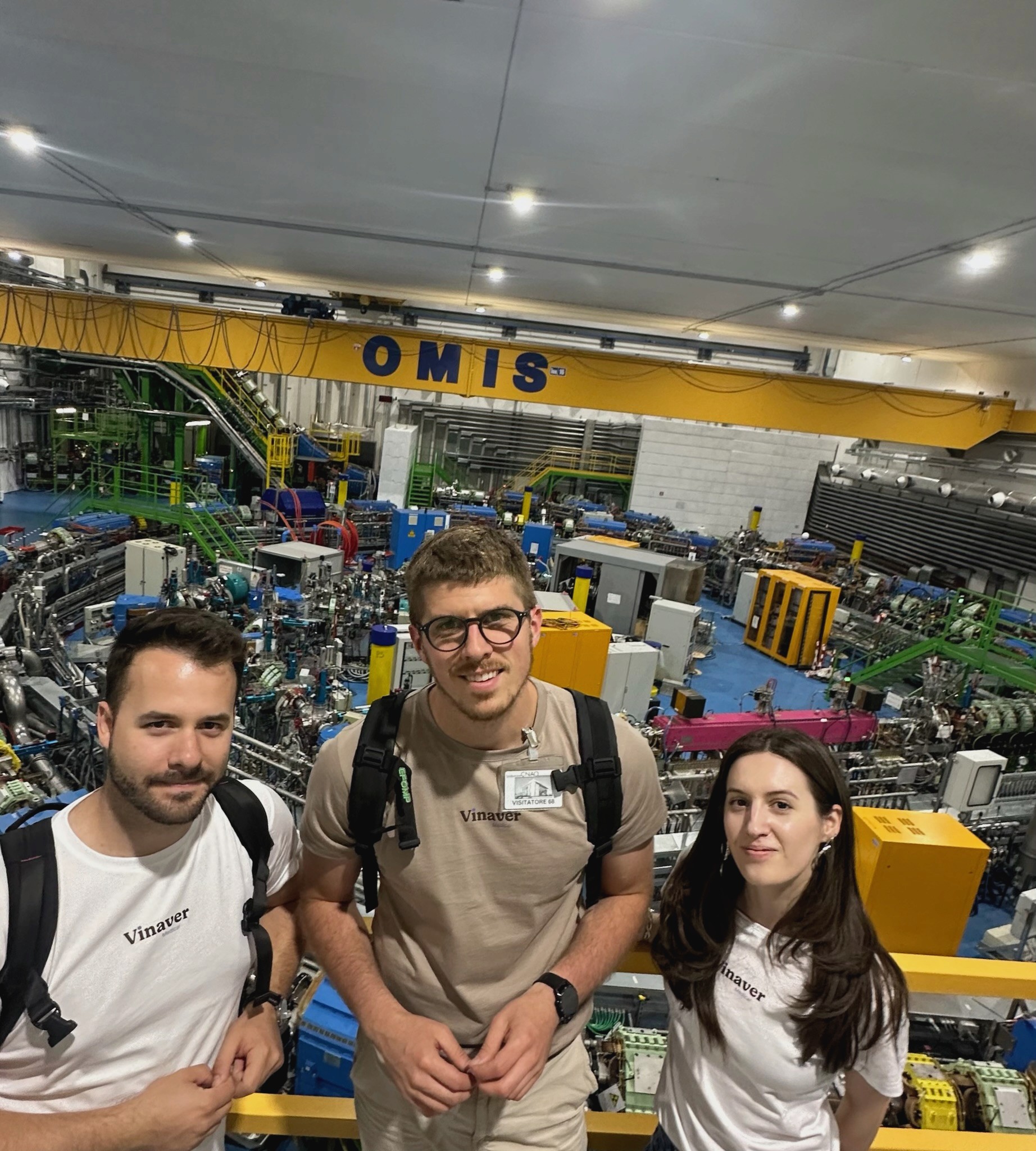
The final day included a tour of the synchrotron, where we were lucky to see the experimental setup of the accelerator delivering particles at the highest precision to the gantries. This was of particular value to our team, which at its core consists of three physicists always curious to witness the physics before its application as well.
In conclusion, our participation in HITRIplus at CNAO was a critical milestone in our project. It enabled real-world validation of our software, provided clinical insights essential for product optimization, and opened the door to collaborative research that will accelerate our path toward certification and clinical deployment. Ultimately, the experience enabled by HITRIPlus Initiative helped us strengthen the impact of our solution on driving high-precision radiotherapy forward.
Next blog